What “GLP-1 Friendly” on a Food Label Actually Means (and Doesn’t)
Grocery aisles are filling up with “GLP-1 friendly” foods. Food Dive calls the label a problem and Women’s Health is asking what it even means — so we read the fine print. Here’s how to tell a thoughtfully made product from a marketing sticker, in about ten seconds per label.
Almost nothing official. “GLP-1 friendly” is not an FDA-defined claim — there is no standard a food must meet to use it. In practice it usually means a product has added protein or fiber and smaller portions. Some of those products are genuinely well designed; others are ordinary snacks wearing the two most valuable words in food marketing right now.
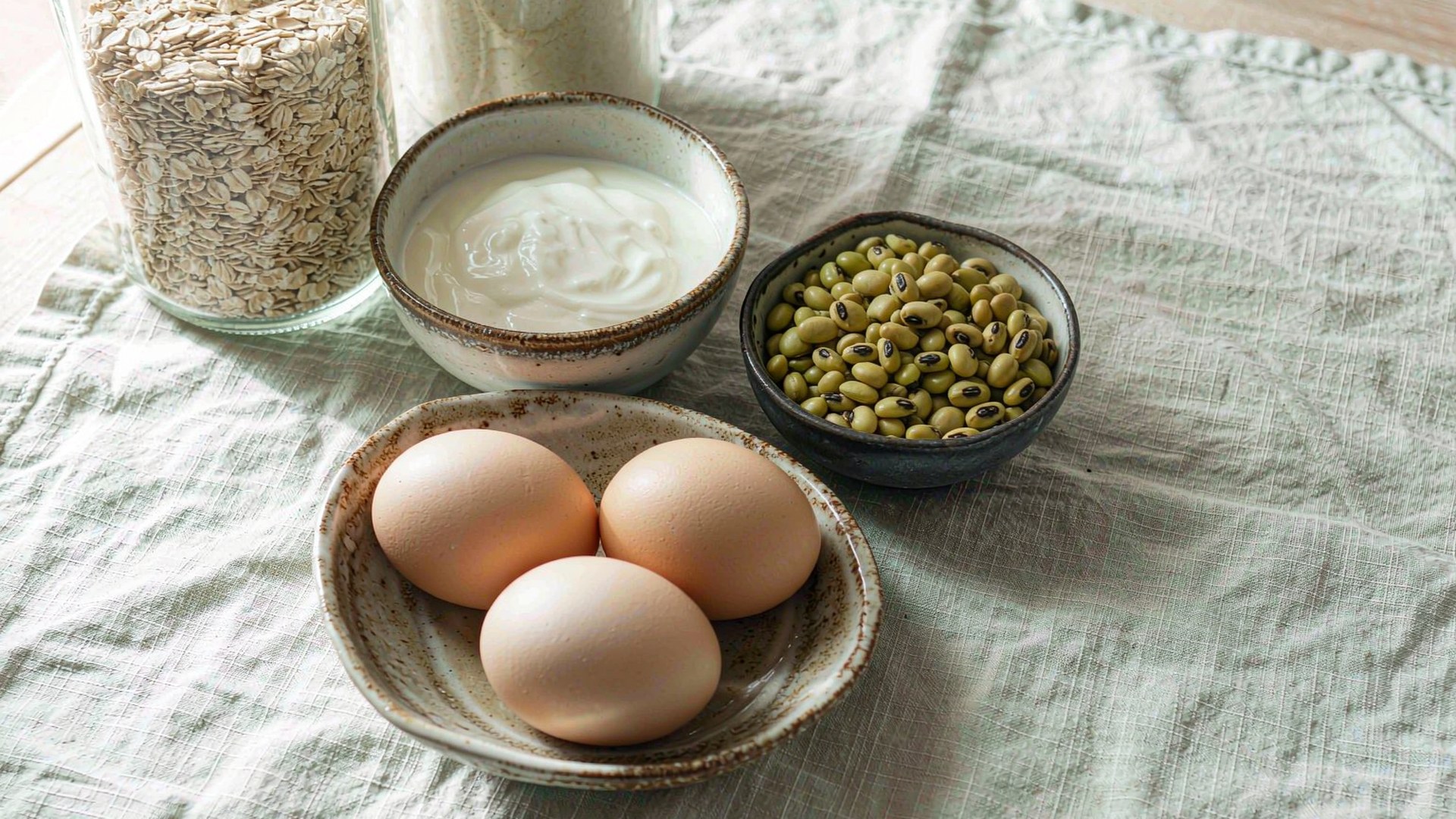
Walk down a grocery aisle this month and you’ll see a phrase that didn’t exist two years ago: “GLP-1 friendly.” It’s on shakes, bars, frozen meals, protein jelly, even mac and cheese. PepsiCo has added protein and fiber to Propel and reformulated legacy brands with GLP-1 consumers in mind. Danone is building its US yogurt revival around fiber and kefir. Kraft Heinz has launched high-protein desserts aimed squarely at the same shopper.
The food industry is not being subtle about why. Roughly 12% of US adults have taken a GLP-1 drug, these shoppers eat less but spend carefully on what they do eat, and every brand wants to be the thing they reach for.
But here’s the question almost nobody at the shelf is asking: who decides what “GLP-1 friendly” means? The answer is — the brand does. Food Dive reported this month, in a piece titled “The problem with ‘GLP-1 friendly’ food labels,” that adding some protein or fiber to a product doesn’t automatically make it a smart choice for someone on these medications. Women’s Health ran the same question for its readers days later: food is being marketed as GLP-1 friendly — but what does that actually mean?
Let’s answer it properly.
There Is No Official Definition
Unlike “organic,” “gluten-free” (which has an FDA standard), or even the much-abused “natural,” the phrase “GLP-1 friendly” has:
- No FDA definition and no required nutrient thresholds.
- No certification body checking products before the words go on the box.
- No standard for protein, fiber, portion size, added sugar, or anything else.
A company can put “GLP-1 friendly” on a product because it contains 10 grams of protein — or because its marketing team liked the sound of it. The claim is what’s known as a marketing descriptor, closer to “wholesome” or “farm fresh” than to a regulated health claim. That doesn’t make every product using it bad. It makes the label itself uninformative. You have to read past it.
What a Food for GLP-1 Users Should Actually Do
The frustrating part is that the underlying idea is sound. People on GLP-1 medications — and people who have stopped them — do have specific nutritional needs, and they’re well documented.
Protein, enough of it. Appetite suppression makes it easy to under-eat protein, and a meaningful share of weight lost on these drugs can be lean mass. Industry research presented this year by Innova Market Insights puts GLP-1 users’ protein needs around 1.2–1.5 g per kilogram of body weight, versus roughly 0.75 g/kg as a general baseline. We covered the muscle question in depth in our article on losing muscle on GLP-1.
Fiber, because almost nobody gets enough. GLP-1 drugs slow digestion; low fiber on top of that is a recipe for constipation and a starving microbiome. Fiber also feeds the gut bacteria that produce short-chain fatty acids supporting your body’s own satiety signaling — the mechanism behind food noise and part of why fiber matters more when you eat less.
Small, nutrient-dense portions. When your total intake shrinks, every bite has to carry more. Innova’s data also shows most people manage weight without medication at all — only about 9% use drugs — but among GLP-1 users, the expectation is small portions with high satiety and high nutrient density.
Gentle on a slow stomach. Very fatty, very large, or very sugary foods are the ones users most often report regretting.
So a genuinely “GLP-1 friendly” food would be protein-forward, fiber-containing, modestly portioned, and easy to digest. Some products hitting shelves meet that bar. Many meet one item out of four and print the label anyway.
The 10-Second Label Test
Since the front of the box won’t tell you, use the back. Four checks, ten seconds:
- 1. Protein: is it at least 10–15 g per serving? If the “high-protein” product has 6 grams, it’s a snack with good PR.
- 2. Fiber: is there any? A product marketed to GLP-1 users with 0–1 g of fiber has skipped the single most relevant nutrient. Look for 3+ grams.
- 3. Added sugar: how much rode along? Protein jelly and shakes vary wildly. If sugar is doing the flavor work, the label is doing marketing work.
- 4. Portion versus price: what does a gram of protein cost here? A $4 bar with 12 g of protein and 2 g of fiber is competing against a cup of Greek yogurt or a serving of beans at a fraction of the price — and the beans bring resistant starch, too.
None of this requires an app or a degree. It’s the same label you already know how to read, with the marketing words ignored.
Three Questions the Front Label Never Answers
The front of the box is designed to answer exactly one question — will you pick it up — and it answers with as few words as possible. Three things it will never tell you:
- Per serving, or per package? A 20-gram protein bar that is secretly two servings is a 10-gram bar. Check the servings line before the number impresses you.
- Is the fiber the kind your gut can use? Eight grams of added inulin and eight grams from beans are not the same experience in the body. The fiber count is a start; the fiber source is the rest of the story.
- What does a gram of protein cost here? Divide the price by the grams. That single number reorders the whole shelf — usually toward yogurt, eggs, cottage cheese, lentils, and beans.
Two of those three checks take under five seconds, and the third is the reason a four-dollar bar rarely wins. It’s also why the most useful aisle in the store for someone on a GLP-1 drug is often the one with no “GLP-1” signage at all.
The Honest Place of “Companion” Foods — Including Ours
We make a product for this exact audience, so let us be held to the same standard. The food industry’s own ingredient suppliers said the quiet part out loud at CPHI Milan this year: companion products risk a credibility gap unless they show evidence, and nutrition should be positioned as a complement to GLP-1 medication, never a competitor to it. We agree, and it’s the same standard we applied when we reviewed the GLP-1 gummies, patches and drops flooding social media.
Judged by the four checks above, our own product — GLP-1 Support* Capsules — would fail the label test, and it should: it isn’t a food. It contains no fiber and no protein, and we don’t claim it does; fiber and protein are food’s job, and no label on our site will tell you otherwise.
What it covers is a different gap: a 30-in-1 daily capsule with botanicals (hops, lemon, green tea), an 8-strain probiotic blend (25B CFU plus Akkermansia), B vitamins, and L-theanine — three capsules with a meal, no powders, no mixing. It also contains 80 mg of caffeine per serving, which we print on the label rather than hide. It contains no GLP-1 or semaglutide — and it is not a fiber supplement; the fiber still has to come from food.
That’s what honest positioning looks like: a product that says what it covers, what it doesn’t, and leaves the rest to your plate. If a brand won’t tell you which of the four checks it fails, that silence is the answer.
The Bottom Line
“GLP-1 friendly” is a signpost that the food industry has noticed you — not a promise that a product was designed for you. The brands investing in real formulation (more protein, real fiber, sane portions) will earn the label over time. Until there’s an actual standard, your ten seconds with the nutrition panel is worth more than the two words on the front.
The shoppers who do best on these medications — and after them — aren’t the ones who buy the most labeled products. They’re the ones who quietly hit their protein, feed their fiber gap, and keep portions honest. Labels optional.
This article is for educational purposes only and is not medical advice. If you are taking GLP-1 medication or considering it, talk to your doctor or dietitian about protein, fiber, and portion targets for your situation.
References
- Food Dive (November 2026). “The problem with ‘GLP-1 friendly’ food labels.”
- Women’s Health (November 2026). “Food Is Being Marketed as ‘GLP-1 Friendly’ — What Does That Actually Mean?”
- Grocery Dive (November 2026). Coverage of retailer and brand positioning around “GLP-1 friendly” claims.
- Food Industry Executive (November 2026). Yannick Verry, “The GLP-1 Ripple Effect” (Innova Market Insights data: ~9% manage weight with medication; GLP-1 user protein needs 1.2–1.5 g/kg vs. 0.75 g/kg baseline).
- Food Dive (November 2026). PepsiCo functional-food strategy: protein and fiber additions across Propel and legacy brands.
- Food Ingredients First (2026). Danone Q3: fiber and kefir at the core of the US yogurt revival plan.
- Nutrition Insight (October 2026). “Suppliers warn GLP-1 companion category risks credibility gap without evidence.” (CPHI Milan.)
Frequently Asked Questions
Is “GLP-1 friendly” regulated by the FDA?
What nutrients should someone on a GLP-1 actually look for?
Are the new “GLP-1 friendly” products bad?
Does food replace the need for these products — or the medication?
Keep Reading
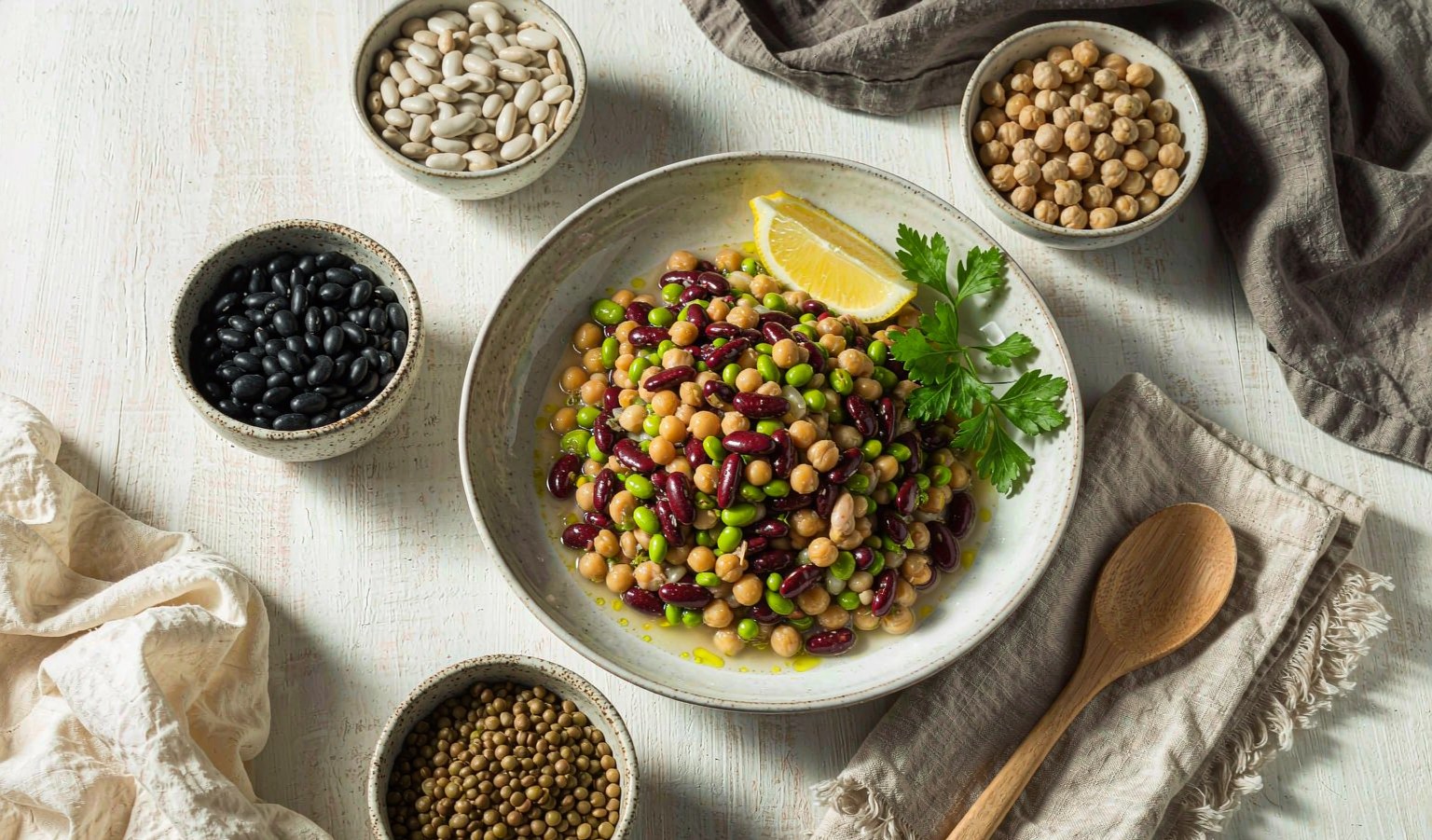
The #1 Food for Gut Health Isn't a Fruit or Vegetable — It's Beans
EatingWell asked the experts and the answer wasn't kale, berries, or yogurt — it was beans. Here's why beans quietly outperform almost every other gut-health food, and how to eat more of them without the bloating that scares people off.
Read article →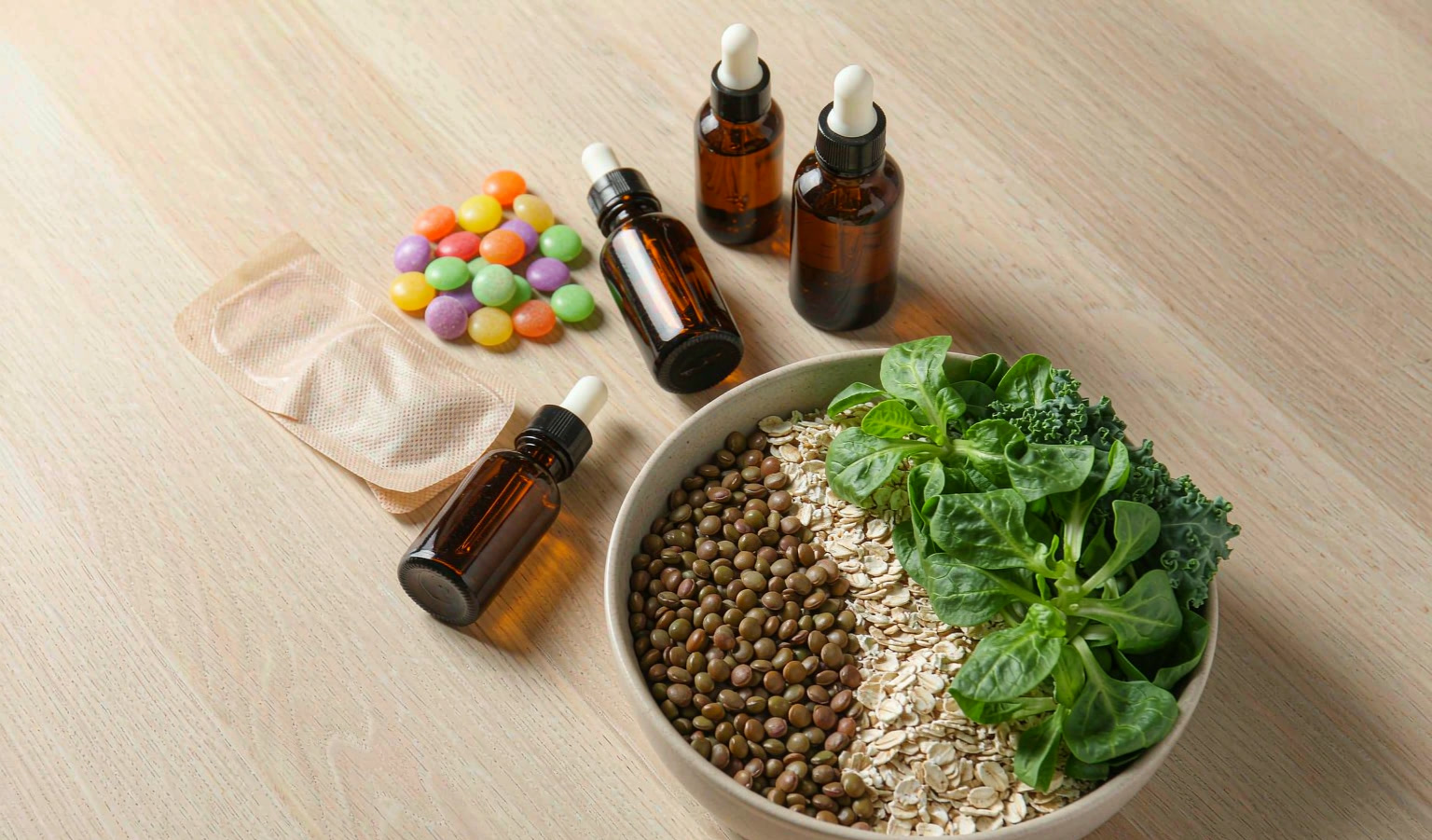
Do GLP-1 Gummies, Patches and Drops Actually Work? An Honest Review
GLP-1 gummies, patches, and drops are everywhere — but none of them contains actual GLP-1. Here's what the evidence says about what's really inside them, why the delivery format can't work, and what food can honestly do instead.
Read article →