GLP-1 Alcohol Cravings: Why They Fade (and What It Means for Your Gut)
Three 2026 trials found GLP-1 medications cut alcohol cravings and heavy drinking days — while weight, blood sugar, and liver markers improved too. Here's what the data actually shows, why cravings fade gradually, the honest caveats, and what it all means for your gut heading into the holidays.
Large clinical trials in 2026 found that GLP-1 medications such as semaglutide significantly reduced alcohol cravings and heavy drinking days in adults with alcohol use disorder — while participants also lost weight and improved liver markers. Cravings appear to fade gradually, not overnight. These drugs are not FDA-approved to treat alcohol use disorder; medication decisions belong with your physician.
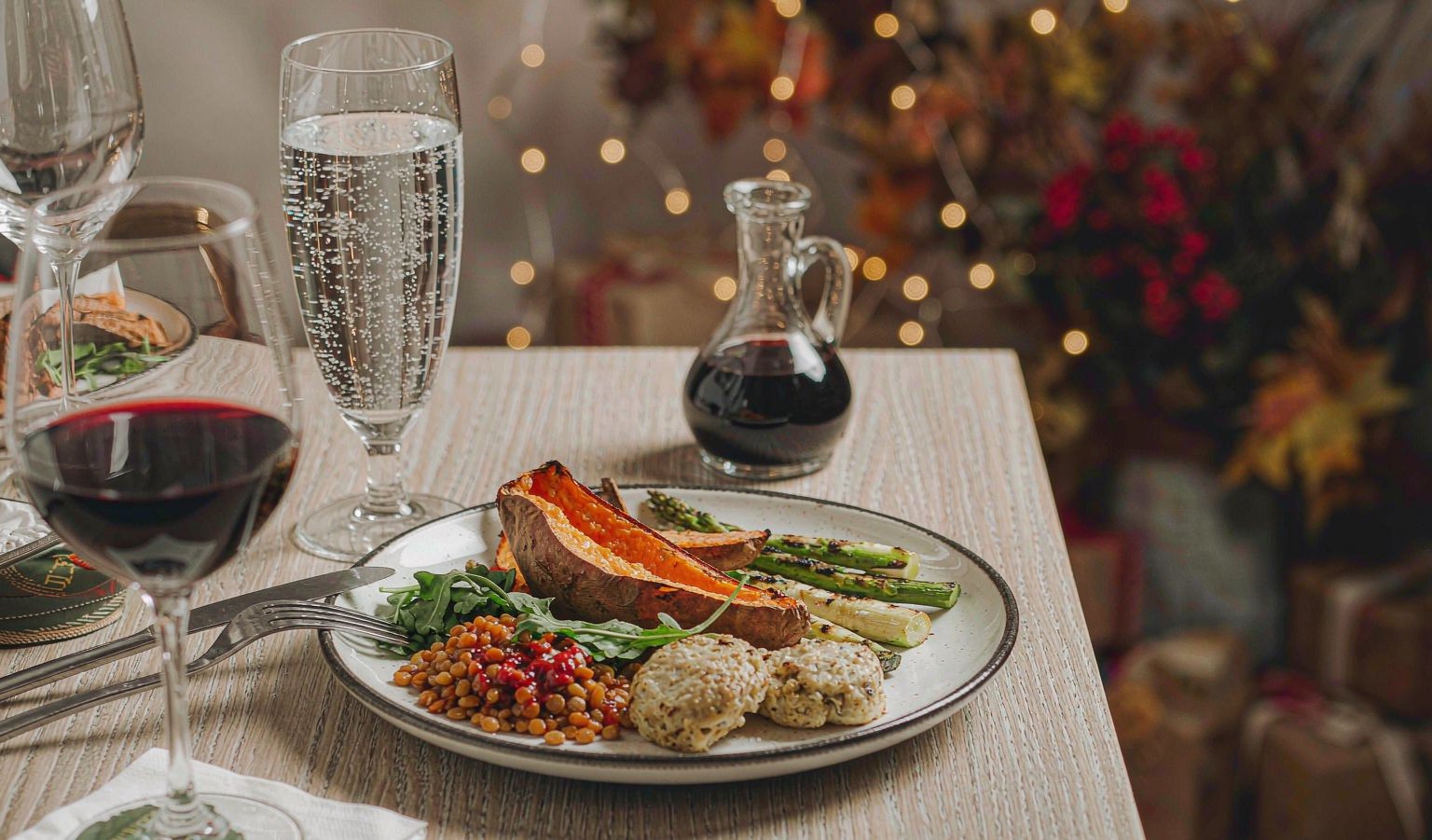
Food noise gets all the attention. But for many people taking a GLP-1 medication, another kind of noise has been getting quieter too — the pull toward alcohol. In 2026, three peer-reviewed studies reported that GLP-1 drugs reduced alcohol cravings and heavy drinking days, and the timing could hardly be better: Thanksgiving is less than five weeks away, and with it the most alcohol-dense stretch of the American calendar.
This article walks through what those studies actually found — including an honest caveat the headlines skipped — why cravings fade gradually rather than overnight, what any of it has to do with your gut, and the important limits of the research.
What the 2026 trials actually found
The strongest evidence comes from a 26-week randomized controlled trial published in The Lancet, in which 108 adults with alcohol use disorder received weekly semaglutide (escalated to the 2.4 mg maintenance dose used for weight management) alongside cognitive behavioral therapy. Over 26 weeks, the share of heavy drinking days fell by 41.1 percentage points versus 26.4 points with placebo. Participants also lost weight, improved blood-sugar measures, and showed better liver-injury markers. Gastrointestinal side effects — the most common issue — were mild to moderate. Study co-author George Koob, director of NIH's National Institute on Alcohol Abuse and Alcoholism (NIAAA), called the results “very encouraging.”
A second randomized, double-blind trial tested oral semaglutide — the pill form, not the injection — in 50 adults who drink heavily. Over eight weeks (3 mg daily for four weeks, then 7 mg), participants had fewer heavy drinking days, drank less on the days they drank, reported lower everyday alcohol craving, and even had fewer cannabis-using days. One nuance matters: when researchers measured craving in the laboratory — exposing participants to alcohol cues in a controlled setting — there was no difference at week six. Real-world drinking and self-reported craving improved even though the lab measure of cue-elicited craving did not, a distinction the trial's authors were careful to acknowledge rather than blur.
A smaller laboratory study, using lower weekly doses (0.25 to 1.0 mg) over a shorter period, added a third data point: participants drank less per session, reached lower peak breath-alcohol concentrations, and reported less craving across the week. It's a small study with a weaker evidence trail than the two trials above — treat it as supporting evidence, not the headline.
Why cravings fade gradually — not overnight
If you're on a GLP-1 medication and expecting the pull toward a second glass to vanish in your first week, the data says: patience. The Lancet trial ran 26 weeks; the oral trial measured change across eight. The consistent pattern is gradual — drinking episodes thin out first, and the everyday background hum of craving follows. That fits how these drugs are thought to act on the reward system. GLP-1 receptors are found in brain circuits involved in reward and impulse control, and research in animals and early human studies suggests GLP-1 signaling can dampen the brain's response to alcohol. The volume turns down slowly, week over week — it doesn't flip off like a switch.
The gut connection: your microbiome is part of this story
Here's where it connects to what we write about on this site. Alcohol is hard on the gut: it disrupts the microbiome, irritates the intestinal lining, and increases gut permeability — which feeds systemic inflammation and can worsen the very mood dips and cravings that make drinking more appealing. It's a loop. Alcohol damages the gut, and a damaged gut makes regulation harder.
The same fermentation pathway that helps quiet food noise also supports the gut through that loop. Gut bacteria ferment prebiotic fibers — including resistant starch from cooked-and-cooled potatoes and rice, green bananas, and legumes — into short-chain fatty acids that strengthen the gut lining and support the body's natural GLP-1 release. (If food noise, not alcohol noise, is your main challenge, we cover that in depth in how to quiet food noise naturally; for the fiber itself, start with how much resistant starch supports natural GLP-1 and our resistant starch foods list.)
None of that means prebiotics treat alcohol use disorder — they don't, and no supplement can. It means the gut you're feeding is the same organ system this research runs through, and taking care of it is worthwhile regardless of what the science does next.
What this means for the holidays
Thanksgiving falls on November 26 this year — less than five weeks away — and the weeks between now and New Year's carry more drinking occasions than any other stretch of the year. If you're taking a GLP-1 medication, the practical read of this research is simple: the pull toward that second and third glass may genuinely be quieter than it was last year, and the data now supports that beyond anecdote. Build the holiday table around food that keeps your gut happy, and let the fading pull toward alcohol be one less thing to fight through.
The honest caveats
- Not FDA-approved for alcohol use disorder. Semaglutide and other GLP-1 medications are not FDA-approved to treat alcohol use disorder. Every study above tested an approved medication for an unapproved purpose; prescribing for AUD happens off-label, and that decision belongs entirely with your physician.
- The research is early. The two main trials involved 108 and 50 participants over weeks, not years. Larger and longer studies are underway, and real-world results can differ from trial conditions.
- Side effects are real. Nausea and other gastrointestinal effects were the most common issues, rated mild to moderate in the trials. Our GLP-1 nausea survival guide covers the practical side of that — it applies no matter why you're taking the medication.
- Talk to your doctor about drinking. If you drink heavily, don't stop abruptly on your own — alcohol withdrawal can be dangerous and deserves medical supervision. And if you take medication for diabetes, alcohol adds risk on its own. Bring both topics to your prescriber.
The bottom line
In 2026, the evidence that GLP-1 medications quiet alcohol cravings and heavy drinking days stopped being anecdotal: a 26-week Lancet trial, an oral-semaglutide trial, and a smaller laboratory study all point in the same direction, with cravings easing gradually rather than overnight — and weight, blood sugar, and liver markers improving along the way. What the evidence doesn't yet support is approval: these drugs are not FDA-approved for alcohol use disorder, and nothing here should be read as a reason to start, stop, or change a medication. That conversation belongs with your doctor.
What you can act on today is the gut half of the story. Alcohol and a disrupted microbiome feed each other; prebiotic fiber and resistant starch support the gut lining and your body's natural GLP-1 signaling through the holiday season and beyond. Feed the gut well, and whatever the medication does for cravings, the system underneath them is working with you instead of against you.
This article is for educational purposes only and is not medical advice. If you have questions about GLP-1 medication and alcohol — or about your own drinking — talk to your doctor or a qualified clinician.
References
- Klausen, M., Justesen, S., Pedersen, J., et al. Semaglutide combined with cognitive behavioral therapy for alcohol use disorder: a randomized controlled trial. The Lancet, 2026. DOI: 10.1016/S0140-6736(26)00305-3 — heavy drinking days −41.1 vs −26.4 percentage points; co-author quote by George Koob, director of NIH NIAAA (reported by NIAAA communications and Healio, 2026).
- Schacht, J.P., et al. Oral semaglutide for alcohol use disorder: a randomized, double-blind clinical trial. American Journal of Psychiatry, 2026 (PMID: 42522065; DOI: 10.1176/appi.ajp.20260003) — 8 weeks, 3 mg → 7 mg daily; fewer heavy drinking days, lower drinks per drinking day and everyday craving; no lab cue-craving difference at week 6.
- A smaller laboratory study of low-dose semaglutide (0.25–1.0 mg/week) in adults with overweight and binge drinking — lower drinks per session, lower peak breath alcohol concentration, lower weekly craving. Reported via The Educated Patient (2026); peer-reviewed publication of the full results is the weaker link in this chain, so treat it as preliminary.
Frequently Asked Questions
Do GLP-1 medications reduce alcohol cravings?
Is semaglutide approved to treat alcohol use disorder?
Can I drink alcohol while taking a GLP-1 medication?
How does gut health relate to alcohol cravings?
Keep Reading
What “GLP-1 Friendly” on a Food Label Actually Means (and Doesn’t)
Grocery aisles are filling up with “GLP-1 friendly” foods. Food Dive calls the label a problem and Women’s Health is asking what it even means — so we read the fine print. Here’s how to tell a thoughtfully made product from a marketing sticker, in about ten seconds per label.
Read article →
The #1 Food for Gut Health Isn't a Fruit or Vegetable — It's Beans
EatingWell asked the experts and the answer wasn't kale, berries, or yogurt — it was beans. Here's why beans quietly outperform almost every other gut-health food, and how to eat more of them without the bloating that scares people off.
Read article →